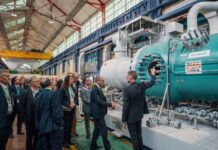
Siemens Energy will supply two new turbo‑compressors to ESENTIA Energy Systems (ESENTIA) for Phase 2 of its 2026-2028 Plan, a project that will strengthen Mexico’s natural gas transportation infrastructure.
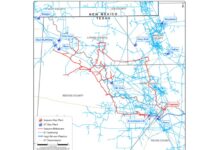
The project contributes to the reinforcement of the Wahalajara System, the largest private interconnected natural gas pipeline network in Mexico. Spanning more than 1242 miles (2000 km) from Texas to the central‑western region of the country and supplying 16% of Mexico’s national gas demand, this corridor is a critical enabler of industrial and economic growth. The project will add transportation capacity to the existing system through compression, improving operational efficiency and the system’s ability to meet rising energy demand.
Currently, Mexico is experiencing significant growth in the demand for a reliable and continuous energy supply capable of fueling strategic sectors such as mining, manufacturing, and data centers, which require constant electricity. In this context, natural gas plays a fundamental role by providing an efficient and cost‑competitive energy source.
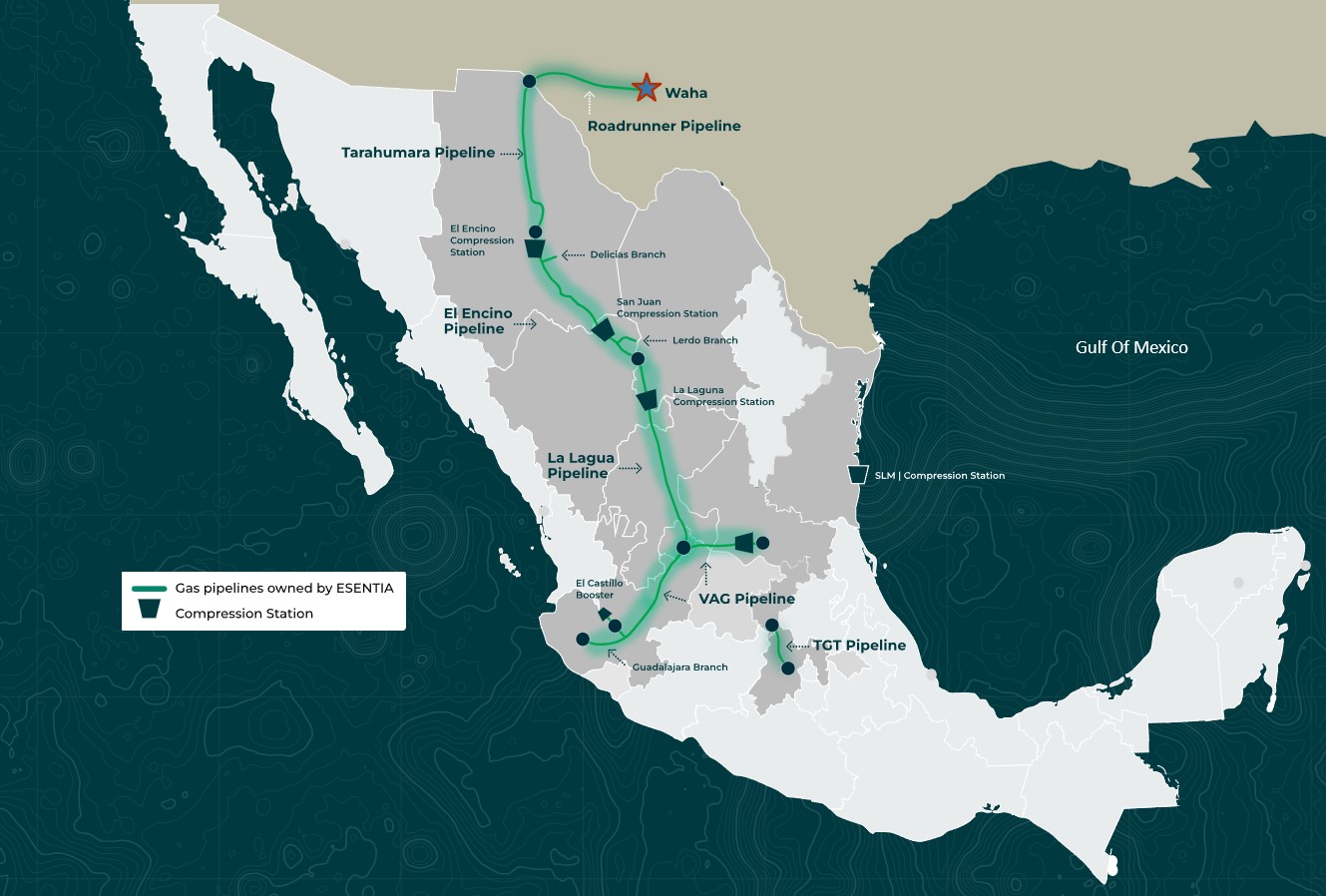
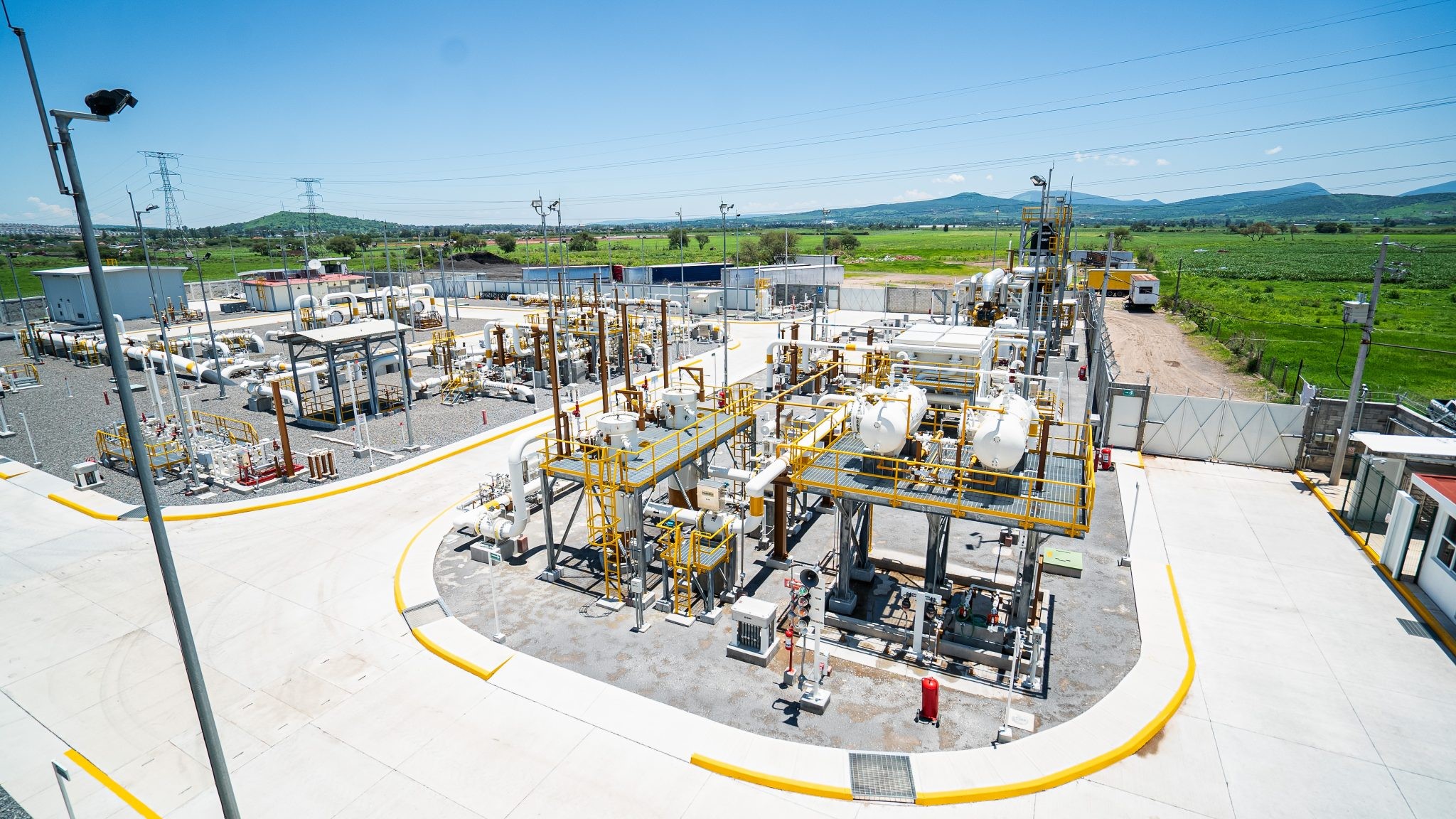
The new 15‑MW turbo‑compression units will be installed at two strategic locations: the San Juan Compression Station in Chihuahua and the Aguascalientes Compression Station. With these units, ESENTIA will increase transport capacity by almost 50%, from 1.3 bcf/d (36.8 x 10⁶ m3/d) to almost 2 bcf/d (56.3 x 10⁶ m3/d), upon completion of the three phases of the expansion.
The turbines and compressors are scheduled to arrive in 2027, aligning with the Phase 2 execution window (2026–2028).
ESENTIA began construction of the Aguascalientes Compression Station on December 15, 2025. This project is one of the key components of Phase I of the company’s expansion, which comprises three phases with a total estimated investment of US$680 million and an increase of 660 MMcf/d (18.6 x 10⁶ m3/d) in natural gas transportation capacity.
The first stage of construction involves earthworks, followed by piping, instrumentation, and on-site installation of the Siemens Energy compressor. Beginning in early 2027, this project will enable an increase in the natural gas transportation capacity in the Villa de Reyes–Aguascalientes–Guadalajara system. This transportation system is critical to meeting the needs of Mexico’s central-western region, particularly the growing demand for natural gas and electricity from industries located in Jalisco, San Luis Potosí, the Bajío region, and central Mexico.