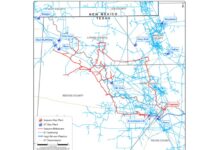
China National Petroleum Corp. (CNPC) has begun commercial operations at its Tarim Phase II Ethylene Project in Xinjiang, bringing online a 1.2 MTPA ethylene complex that the company describes as China’s first full-chain green and low-carbon ethylene project. The project is located at Korla, a county-level city in Xinjiang Uygur Autonomous Region. The startup marks a major expansion of petrochemical capacity in western China and completes a 3 MTPA ethylene production base in the country’s central and western regions.
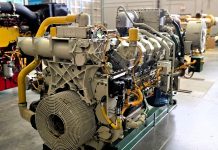
At the heart of the facility is a fully electrified “three-machine” compressor system comprising a cracked gas compressor, propylene refrigeration compressor, and ethylene refrigeration compressor.
Traditionally driven by steam turbines powered by fossil-fuel-fired utility systems, replaced thermal-drive technology with a domestically developed electric-drive configuration, a move the company says represents China’s first indigenous electric-driven system for a world-scale ethylene cracker and one of the first implementations globally.
The compressor package was supplied by Shenyang Blower Group (SHG). The electric-drive system is supported by large medium-voltage variable-frequency drives supplied by Shanghai Nancal Electric, enabling precise speed control and improved energy efficiency, the company said.
The compressor electrification is central to the project’s decarbonization strategy. CNPC says the plant will consume about 1 billion kilowatt-hours of renewable electricity annually from nearby photovoltaic facilities and reduce carbon emissions by approximately 1.37 million tonnes per year.
Carbon Capture
The project also features a carbon-capture and utilization (CCU) system that recovers low-concentration CO₂ from ethylene cracking furnace flue gas. Captured carbon dioxide is combined with recovered process hydrogen and routed into downstream ammonia and fertilizer production, creating a closed-loop carbon utilization chain. The installation is described by CNPC as China’s first integrated application of low-concentration flue-gas CO₂ capture within a world-scale ethylene complex and is a key contributor to the plant’s estimated 1.37 million tonnes per year reduction in carbon emissions.