Lead times have become one of the strongest indicators of confidence in the long-term outlook for natural gas. Liquefied natural gas (LNG) growth, expanding natural gas infrastructure, and rising power demand from data centers are providing enough visibility that companies are committing capital and securing equipment years before projects enter service. Second-quarter 2026 earnings season delivered clear messaging from C-suite executives throughout the value chain: lead times remain extraordinarily tight, forcing operators and suppliers to think years, rather than quarters, ahead.
“New, large-horsepower lead times remain extended, and that reality is driving customers to make compression decisions further out than they historically have,” said Clint Green, president and CEO of USA Compression during the company’s Q2 2026 earnings call. “RFP [request for proposal] activity remains healthy and our pipeline of customer contracts heading into the back half of the year gives us confidence in continued forward progress. We ran 40- to 60-week delivery lead time on equipment for years, and now with the generator market growing like it has, it has driven out to 200 weeks. We are ordering equipment for 2028 and 2029 and will be looking at 2030 here pretty quick.”
Green was not alone in highlighting the persistence of equipment bottlenecks.
“For the equipment we require, lead times are now out where we’re ordering for 2029. So, it’s right at 195 weeks. We do not see these long lead times abating or improving. We see no indication that there’s a reason for them to improve,” said Brad Childers, president and CEO of Archrock during the company’s Q2 2026 earnings call. “This reflects the strength of natural gas demand, the production growth outlook, and the compression equipment required to support that growth. It also underscores the importance of securing equipment and remaining well positioned to grow with customers, supported by our financial strength and market position.”
Kodiak Gas Services (Kodiak) echoed its peers’ concerns about equipment availability and outlined a long-term strategy to expand its compression fleet.
“Given the highly visible demand for natural gas and the extended lead times for new large-horsepower compression equipment, we established a target to organically grow our compression fleet to approximately 5.2 million horsepower [3.8 million kW] by year-end 2030,” said Mickey McKee, president and CEO of Kodiak, during the company’s Q2 2026 earnings call.
McKee said the company is making solid progress toward that goal. During the first six months of 2026, Kodiak added roughly 80,000 hp (59,680 kW) to its fleet and expects total additions to reach approximately 170,000 hp (126,820 kW) by year-end. The company has also leveraged its vendor relationships to secure deliveries of new large-horsepower compressor packages for 2027, 2028, and 2029.
“Bottom line, we remain confident in our ability to achieve our targeted annual horsepower growth of 150,000 horsepower [111,900 kW] per year,” said McKee. “That would result in a compression fleet of at least 5.2 million horsepower by the end of the decade.”
The Choke Point
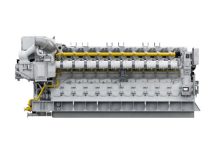
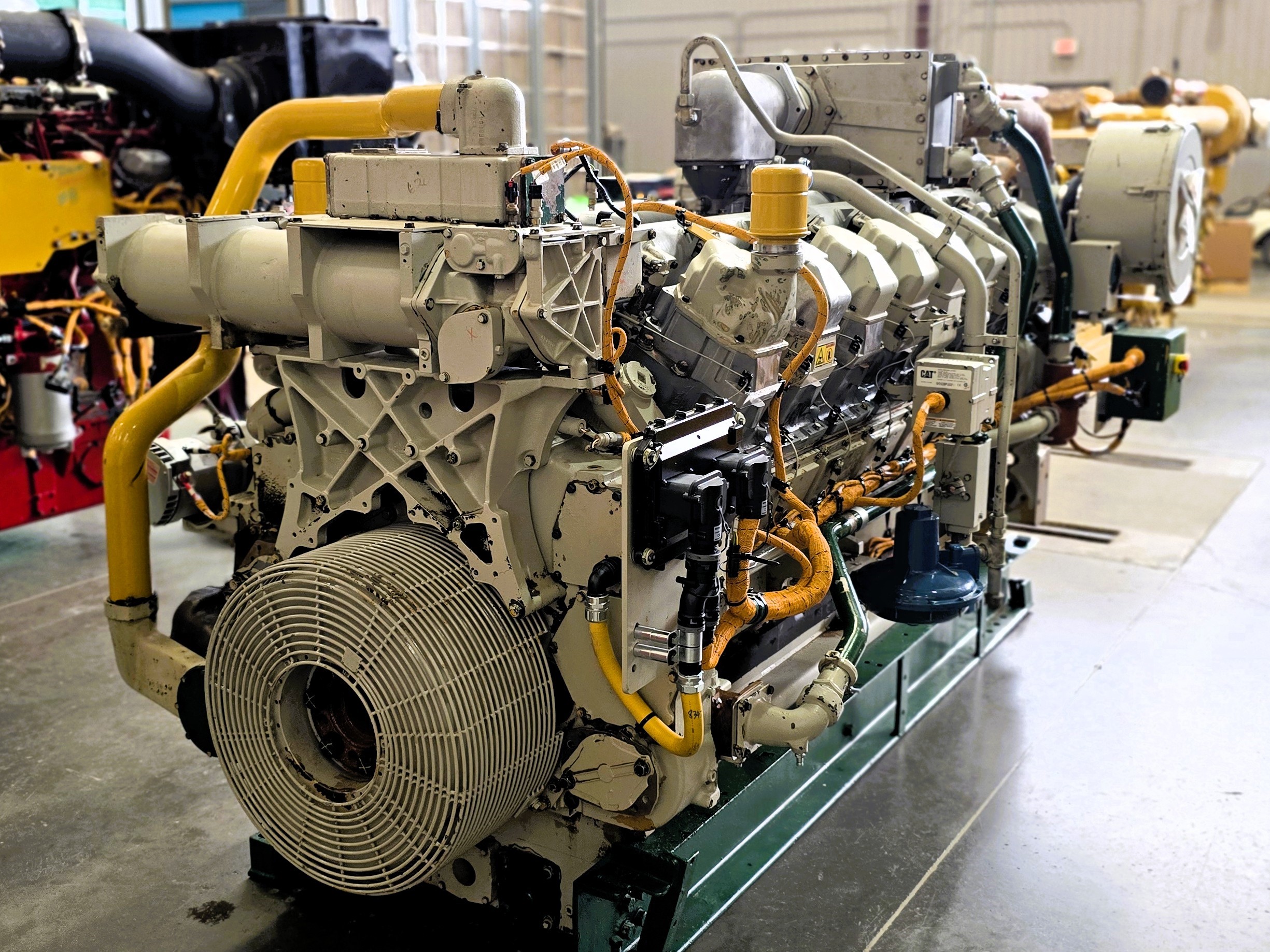
Engine lead times are creating significant delays in the packaged compression market. Demand from hyperscale data centers and artificial intelligence (AI) infrastructure has pushed engine manufacturers to full production capacity, limiting the availability of engines for the gas compression industry.
“There is a lot of discussion around AI demand, and all I can tell you is no one is slowing down at the moment,” said Joseph Creed, CEO of Caterpillar during the company’s Q2 earnings call. “We continue to anticipate full year growth in power generation for both Caterpillar reciprocating engines and Solar Turbines, driven by increasing energy demand to support data center buildout related to cloud computing and generative AI.”
Just how great is this demand? “We’re starting to take orders into 2029 and 2030,” said Creed.
To shorten delivery windows and increase throughput, Caterpillar is … CLICK HERE to continue reading this article in the October 2026 issue.